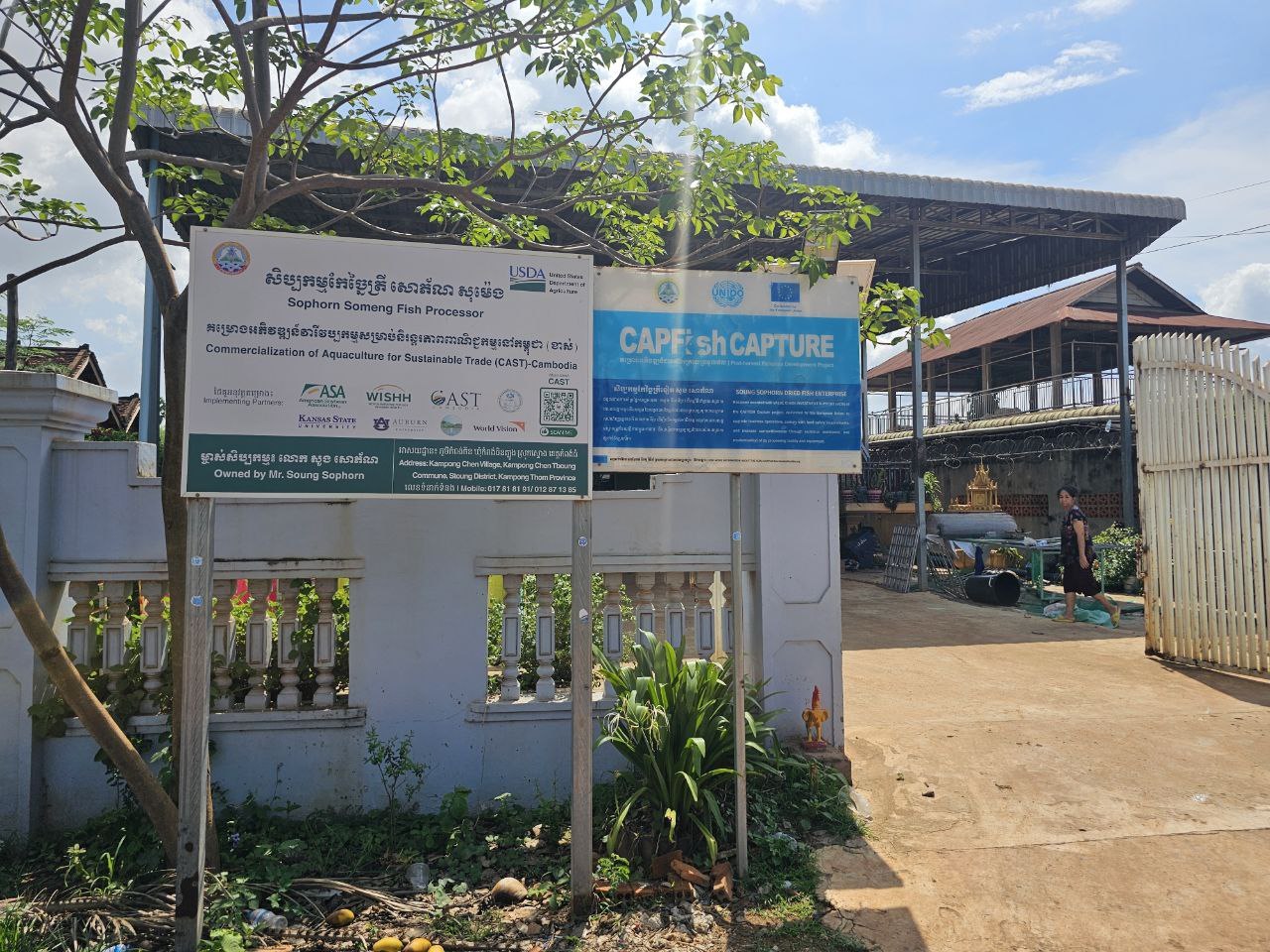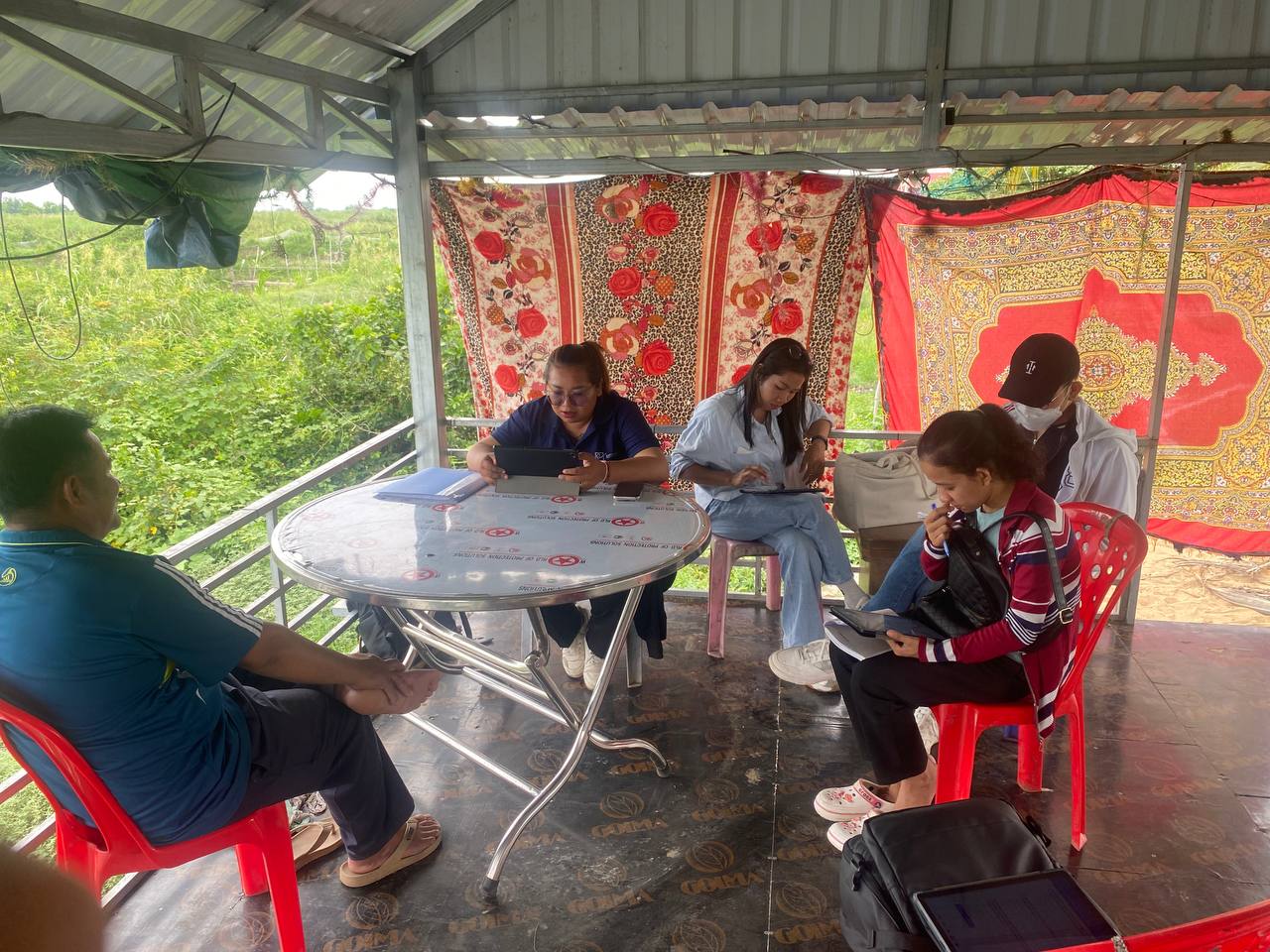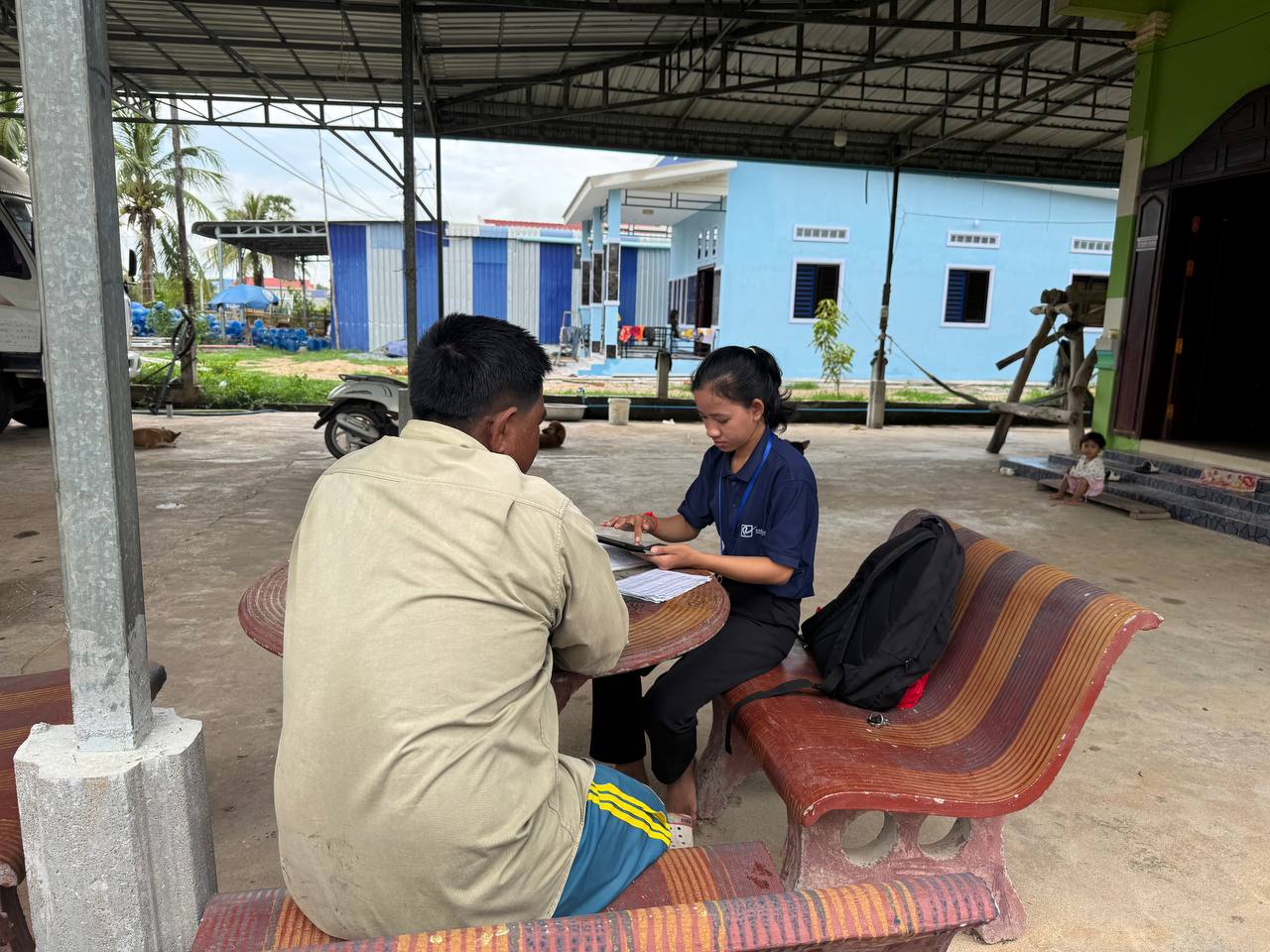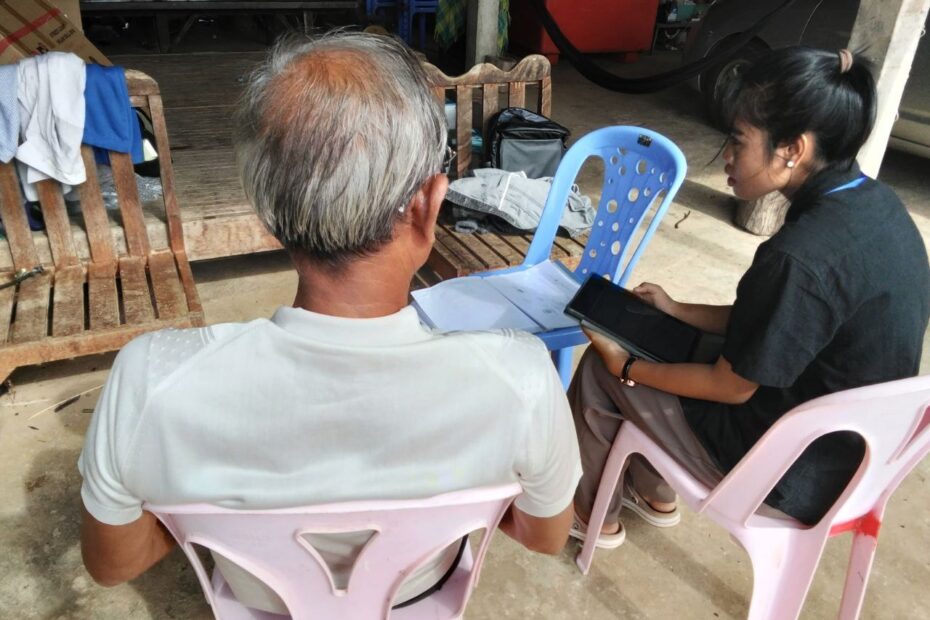
The CAST End-Line Evaluation Project in Cambodia was conducted in 2025 to assess the overall achievements, outcomes, and sustainability of the Commercialization of Aquaculture for Sustainable Trade (CAST) project at the end of its implementation period. The evaluation employed a mixed-methods approach, combining quantitative surveys with qualitative research to measure changes against baseline indicators and evaluate the project’s effectiveness, efficiency, impact, and sustainability. Fieldwork covered targeted project areas and engaged a broad range of stakeholders, including fish farmers, hatchery operators, feed suppliers, traders, retailers, service providers, government officials, and other key market actors within the aquaculture value chain. Data collection activities included structured face-to-face interviews, key informant interviews (KIIs), focus group discussions (FGDs), and direct field observations, supported by digital data collection tools with GPS verification and rigorous quality control procedures. The end-line evaluation generated comprehensive evidence on improvements in aquaculture production, market access, business practices, value chain development, and stakeholder capacity resulting from the project interventions. The findings provided valuable insights into the project’s contribution to strengthening Cambodia’s domestic aquaculture sector, improving the competitiveness of locally produced fish, and informing future programming, policy development, and investment decisions aimed at promoting sustainable aquaculture and food security in Cambodia. The CAST project concluded in 2025 after operating through a comprehensive monitoring and evaluation framework designed to support accountability, learning, and adaptive project management.